Vinculum

maths

Today I learnt what was a vinculum.

It is the kind of thing you might learn when you help an eleven year old with his maths prior to a test. Yes I remembered what was a denominator and even a numerator but I had no idea the line that separated them was called a vinculum.

To spellcheck the word does not exist.

To google it is a tendon before it is something in mathematics.

Lately I have learnt how to do factor trees. It is something brand new to me. Not quite as much fun as learning that leaves transpire water from their surface just the same way we breathe. But. It’s maths. Quite fun really, but something I feel I have never done before. Did factor trees exist in the 1970’s? Where were factor trees when I was in grade seven? Between the rise of the white board and the demise of the blackboard did the triumphant factor tree emerge? Surely maths doesn’t change. Then, between straw-sucks of a liquid cereal breakfast, he tells me two negatives multiplied make a positive number. Are you sure? This rings a bell. I will have to check since I don’t do negative numbers. Pass me the iPad again. How is it that two negatives multiplied make a positive? Please don’t ask me why. My mind is spinning. It is only 7.30am. I wonder why negative numbers exist. You can’t have minus three apples any more than you can have minus six.

Then there is the school tie. If you want to wear a jumper – and it is cold outside – you need to wear a tie. But it looks ridiculous. No it doesn’t. Everyone will look ridiculous. It feels wrong. You’ll get used to it. Scream. Scream.

Under my breath and not under my breath – God save me. Save me from myself and my pettiness. Just wear the tie, so you can wear the jumper. Please.

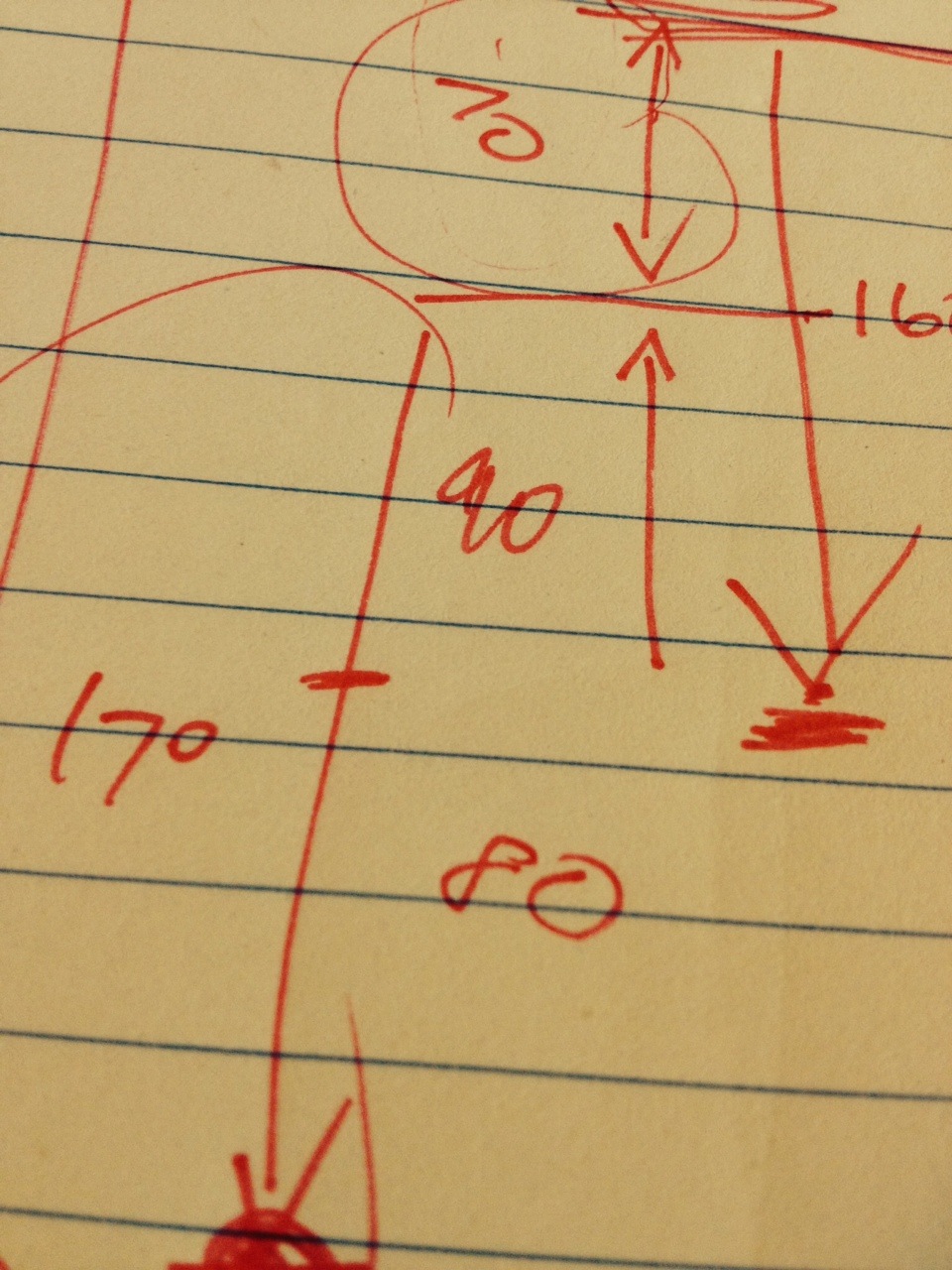
If a submarine is 160 metres below the surface and then rises 90 metresĀ and then submerges again by 170 metres how far is it below the surface? In my underlining you can see my purpose. I want it in cement. I want it drummed in. If I rub hard enough, underline often enough, say it louder it works, right? It makes me hate myself.

He trudges across the oval with the heaviest of chiropractor approved school bags. Must weigh ten kilos. He has the legs of a stick insect. There is dew on the oval. I call out looking good and a smirk creeps out. Don’t let her see it. Turn your body in case. Your morning track across the oval, like a giant snail trail.

I so wish the vinculum was just a tendon.

Fear of Falling

fear of falling

When orderlies move the non-ambulatory patient they slide their hands between the person and the bedding. It is a delicate, intimate thing to do. To touch someone there. But not just touch – hold and lift. Support.

On my count, the lead-lifter may say. One, two, three.

In the non-ambulatory patient support of this type is vital. It is a kindness to prevent panic and fear.

Do you remember before you walked? I don’t think it is a memory most can recall. It is just too far back. What fear did you as a toddler feels as you pulled yourself on to your two stumpy feet and tottered away from the safety of the sofa?

For fear of falling is a primal fear. There is no stopping it. We have it like the rest of the animal kingdom. It is deep in our ancient brain. When animals are lead to slaughter one of the biggest improvements in their welfare is seen if you can prevent them from slipping. When a hoofed animal’s foot moves rapidly beneath it to prevent it from falling then this is slipping, and slipping is scary and causes a stress reaction and release of cortisol. Of course it is measurable in observable ways that does not need test tubes. It is written over the face of a slipping cow and it is in their vocalisation. When you see the white of a cow’s eyes you know you are seeing panic. What makes pain and fear so unrecognisable to us with the big brains?

An abattoir of high standard should have less than 1% falling and less than 5% vocalisation in their animals.

Walking calmly to your death is not as stressful as slipping your way there. I think of the hangman and the fall away beneath the feet of the box or opening of the trapdoor floor. A fraction before your neck is snapped no doubt there is that unsupported feeling. Falling.

What then makes some people able to override their fear of falling and take to the rocky sides of mountains or the sheer face of cliffs? Do they have an insufficient amygdala incapable of arousal?

You hear screams of panic at amusement parks where people willingly place themselves in positions where they feel unsupported and as if they are falling. Somehow the knowledge that the ride is safe is enough security for people to voluntarily place themselves in a simulated fall. They feel the adrenaline release as they plummet and soar again, await the rise and then the fall. People report that they feel more alive after the ride. It is the brain chemicals that have fired and their release is addictive.

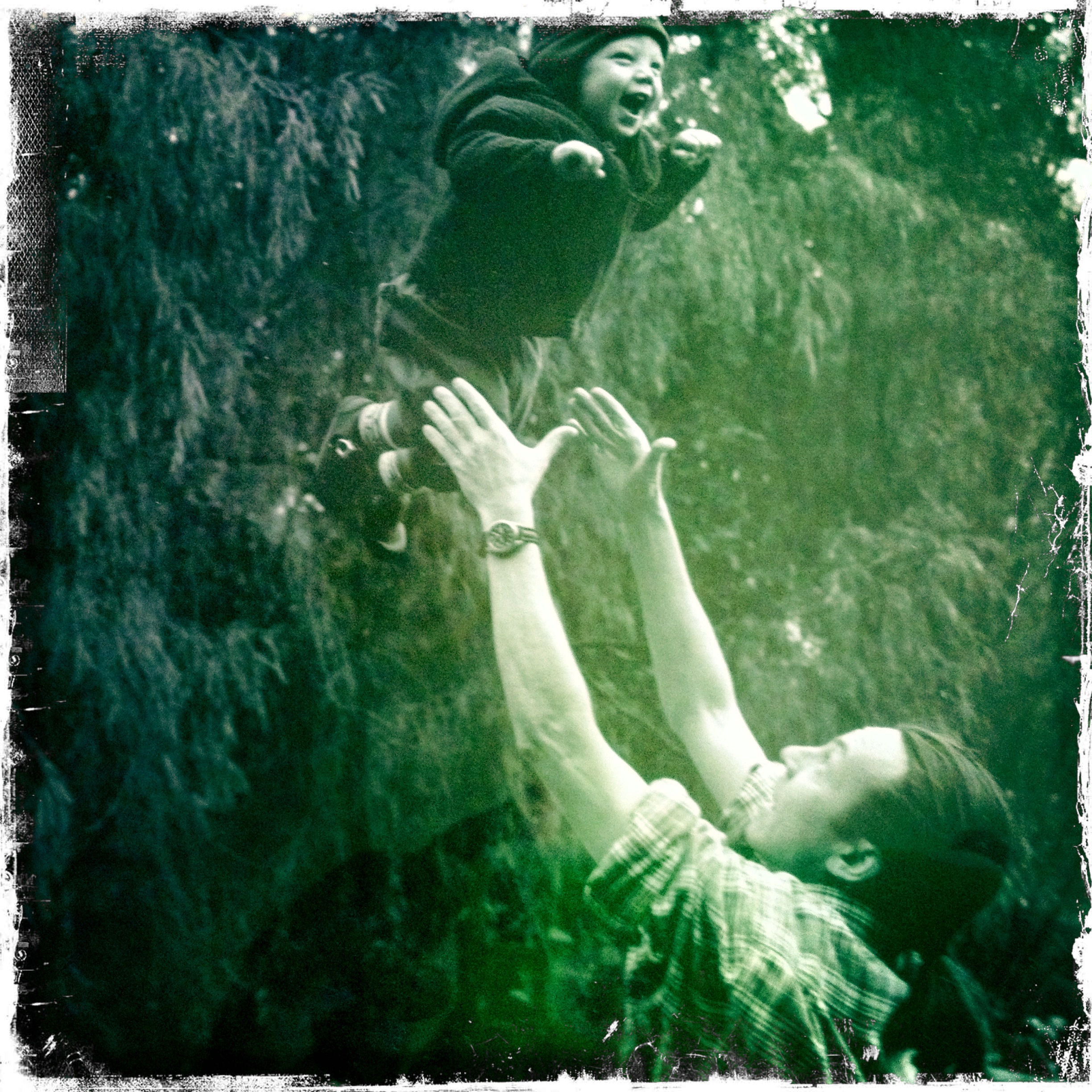
A pony-tailed man throws a delighted toddler in the air. He is unsupported and higher than ever before. On his face is pure pleasure. A squeal. A laugh. A giggle. Machine-like. He looks forward, not down. His mouth agape, his eyes twinkling. Each time caught and then thrown up again. Like the surprise of the jack-in-the-box, the thrill gradually subsides, and the fun wears off. The chemicals are exhausted, depleted. Kaput. Till next time. Throw me higher. Make it faster. Spin me more. Us and our addictive brains.


The Need

Image

somethings just need

there is an ache

there is a want to write without punctuation, without capitals. No stops. No starts.

just on and on

like drawing without lifting the pen

without an eraser

the dog just sleeps. endlessly

so capable of filling his time with breath

yoga of the most perfect type

i have an exercise physiologist now – a branch of physiotherapy – she tells me I need to breathe whilst doing the exercises she has given me to strengthen my already strong arms so I use my neck less. apparently i have taken to doing this and there are only so many joint hours left. use them wisely. learn to breathe.

I think of the snake bite dog and its paralysed respiratory muscles. A diaphragm no longer capable of action. It died in a flurry of spit and froth. The tube helped a bit. Its heart remained strong. Pounding its beat. Asking us to believe in it. But the breath. Gone. the gums the colour of concrete.

Control your breath. control your life

in front of me sits a book open for study. its text is turgid. it has tables and diagrams. i write instead in a journal. i make it pretty to help me. I bring out coloured pencils and draw images of brains and neural pathways. i hope it means it is making its own pathway. walk and a path will form. read and a track will open up.

A Finnish Sock Knitter and The Marine Mammal Researchers

Jasper

Rottnest.

This year we have new comers. Old friends have new partners. But even though couples have split, friendships are secure. They’re those thirty year friendships that, like good wine, age and mature. They become deeper, richer, more satisfying. There is the familiar laugh. There are the remembered stories. The retold jokes. Almost like siblings. Maybe better – because you choose them. You live separated by oceans and deserts. The world could be cleaved in two. You could have lost contact, but you didn’t.

Sam. A boy – his skin the pale blush of an apricot – is a natural enemy of the sun. He is plastered, covered, drilled into a cap. The older boy needs less instruction regarding the sun. By eleven, the routine is second-nature. School has taught them something life-saving. No hat. No play. Sam has natural exuberance. He is a born story-teller. He amazes his own father with his natural right-fit. How did I end up with a kid so bold? He is the kind of kid who trusts himself, already. He can belly laugh. He can still be fooled by stories of pirates and sea caves. Up the beach he has made friends already with kids from another chalet and is involved in building a castle.

The first day brings wind. So much that a woman on the beach in front of us merely play-fights with a sun shade like a washer woman with the sheets at a Hill’s hoist. She speaks to the balcony where her husband sits watching – Who bought this one? Where are the sand bags to keep it anchored to the sand?Ā Instead it billows and becomes parachute, threatens to carry her, Mary Poppins-like down the beach. But it is Rottnest and even an husband’s failed purchase can’t make you stay cross.

Jasper. The first ocean swim of the season. Forced to cross into the weeds to collect the skim ball has him balking. A year ago he would have refused to swim and have the feathery weeds finger his skin. A father prepares to go after the ball, heading towards the shore to take off his shirt. But then the boy dives in and crosses the weeds. Done it. Tick that fear off.

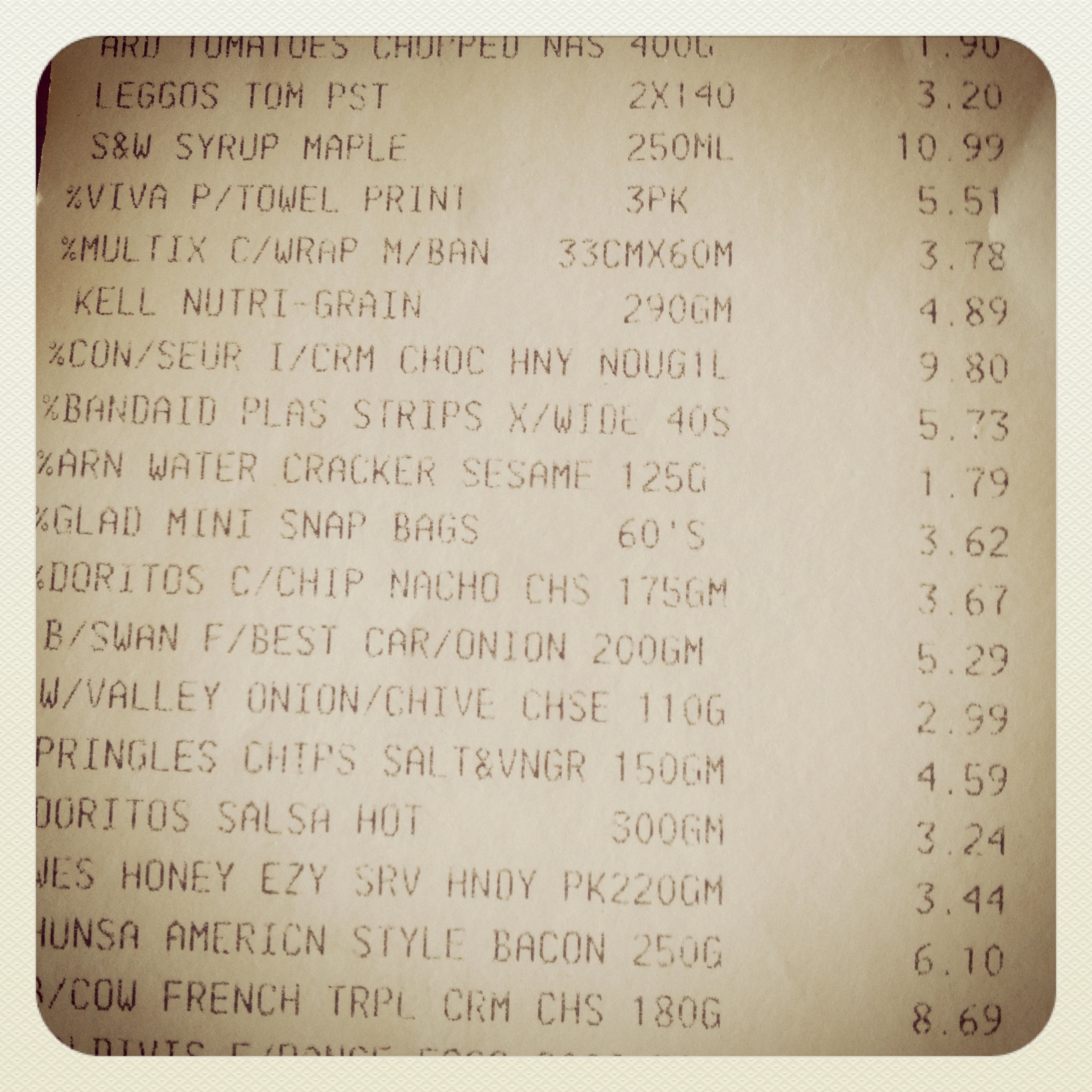
Friends. Despite staying in Bathurst, they meet us at the Big Blue of Longreach. Tania has bought Exit Mould to clean her accommodation’s bathroom – saying the fungi on her bathroom tiles is so bad that it has turned to moss. That they even sell Exit Mould in the General Store says something. Back to our chalet for bacon, lettuce and tomato sandwiches on toasted white bread. After lunch on the Longreach balcony perhaps they are thinking of a change in accommodation next year. Move from the ghetto. The kids are sent to the shops for a lolly treat so peace can be extended on the balcony. They return with deodorant style sticks that deliver sugared corn syrup and additives to your tongue via the rollerball. It is all about the delivery. The BrainLicker is examined and declared an evil sweet. Made in Spain. Who would have thought? Only at Rottnest.

Professor of Parenting. Five-year-olds are on the beach in front of us. A small powered boat is anchored in the shallows. It is the only thing to target. They throw bombs of sand toward it. The wet sand sticks to the boat’s side and lands in it too. The failed husband calls from the balcony to the kids and asks them to refrain from throwing sand at his boat. They don’t stop. We all watch from our vantage as he heads down the stairs to the beach. He squats on the sand and motions with his hand for the kids to come speak to him. He speaks too softly for us to hear but we can see him pointing to his boat and explaining perhaps why he would rather they didn’t continue to pelt it with wet sand. His body language is soft, kind, gentle. The small tribe of boys runs off down the shore. After all a pelican is in the shallows fishing. He turns and walks back to his balcony. We want to applaud. We nickname him Father of the Year. We imagine what he might have said. We expected a telling off. We imagine what we might have said, had the boat been ours. We admire the man who has chosen to make himself small in front of little children rather than wave his fist, point a finger and shout.

On the index finger of my right hand I have an infection in the nail bed. A cut hair from a canine patient somehow made its way down the side of the nail and festered there. Eventually the body repelled it. I was driving the car, when I noticed a black hair poking from the nail bed and I worked it out. A long hair emerged. For several weeks since the nail has still not been right. It has a scar to its surface as it grows, and the skin is still sore around the base of the nail. The nail grows furrowed, like it keeps a memory of the hair in its surface.What else will work its way out from beneath the skin? I paint the cuticle with betadine. It reminds me of doing the same thing for my mother shortly before she died. She had an infected nail too. She needed some one to look after it for her because it was hard to look after your right hand with your left when you are right-handed and nearly ninety. I took her hand in mine and tended the nails. Her hands are so familiar to me. I can still see them in my mind. They are almost easier to recall than anything. Of course they aged over time, but their essence was always the same. Long fine fingers.
bil

Marine Mammal Researchers. She is exactly how you might imagine a marine scientist to be. She is beer bottle brown. Her tan is so deep it can’t fade, not even in a Scottish winter. They live by the beach in the Bahamas so the sound of the water on the shore is their traffic noise. They have mongrel dogs who share their house. One was killed by a stingray barb to the chest as it chased the fish in the shallows. On their first morning Charlotte goes out running and decides to cross-country. Why you may ask. Because she is Charlotte. She has head phones and music, maybe a podcast of This American Life, as she lopes out. Fearful suddenly of snakes in the knee-deep shrub, she turns her music off and takes to the bushes with a stick. She comes across a fence with a sign that says trespassers face a $1000 fine. She wavers. But the way back is two hours. She scales the fence and finds herself on the runway and the sound of aircraft above. She runs the airstrip to find the airport closed and another fence barring her escape. She tests this one with a stick, incase it is electric, before over she goes. Back on the road she meets some other tourists, but they are lost too and can’t give her directions to “Long Bay.” Despite the three-hour run she still has the energy to ride to the West End and see the seal colony. That night many bottles of wine are drunk. Charlotte = Excess. We hear how the marine scientists fell for one another. How Charlotte didn’t know what was coming over her when she was compelled to drop things just to reach down to retrieve them and somehow find her body closer to that of the other woman. Being in love is like that. Genderless.

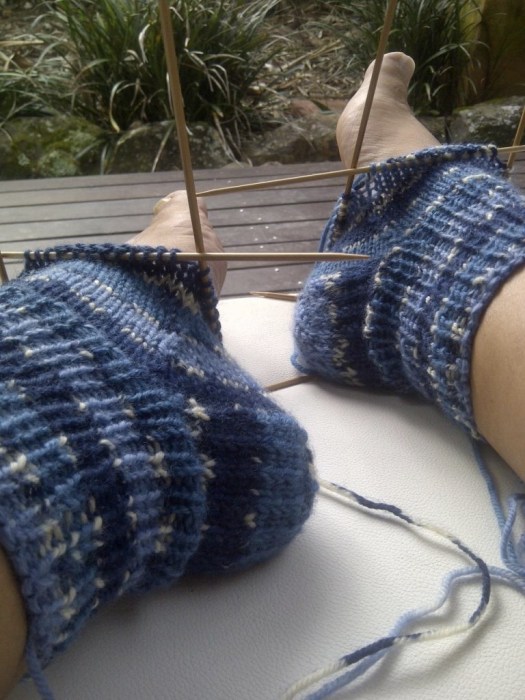
Perri. When she wakes in my house she tells me her dream of killing a man with a dart. She has a white towel around her, like she has stepped from a sauna. The man wouldn’t die. He needed slashing. Not just prodding. In dreams the killing is always protracted. Then we talked about knitting. Knitting needles can’t be brought in your hand luggage, not unless they are made of bamboo. Too weapon-like. I must go to work but I can direct her to the wool shop where she can buy the double-ended needles she needs to make the Finnish socks. She has three to make for a friend going somewhere cold –Ā where a Dutch heel is needed and the love of a hand-made sock can do more for your health than most things.
finnish socks

When Jasper is sulking Perri suggests I try asking; “What do you need to feel better?” Charlotte says that is therapist speak for “So who’s grumpy now?” He cannot be jollied from his hump. He stands back at the beach. He won’t join in the cricket. Watching him is hurting my brain and my heart. I want him to pull himself out of his mood. I think of my father and his favourite line, “buck up” to a child with a sullen face. But wanting it doesn’t make it so. Asking him what is his mood about does not receive an answer. The more you pry with Jasper the deeper he sinks into himself. A touched snail. I wish I could learn to stop asking. I try Perri’s line. Nothing is his response.

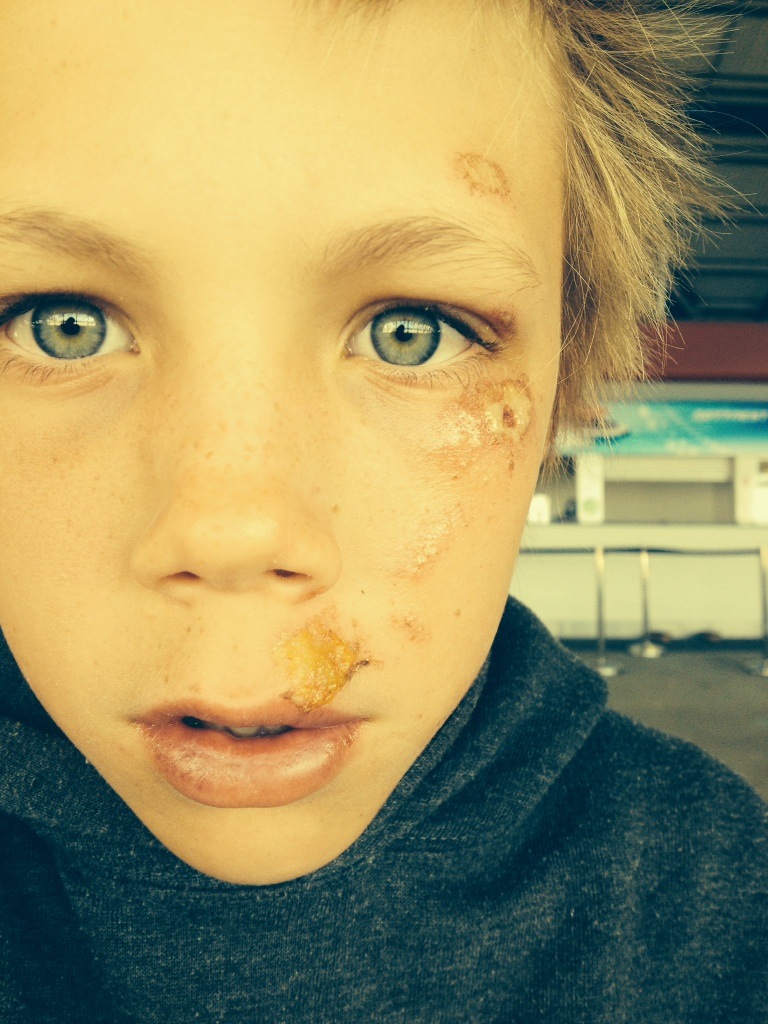
We are about to have coffee at the Geordie Cafe when my phone rings. The phone says it is Jasper but it is not him. Instead a woman says – is this Jasper’s mother? He’s had an accident and asked me to ring you. He’s fallen from his bike. He’s grazed his face. I ask the woman where he is and tell her to tell Jasper that his Dad is on his way. Graham wants to know how bad the injury is? It’s his face, I say. Gravel rash is always painful but especially so as it crosses your lip and cheek and eyebrow. Luckily the teeth are intact. We never discover what was the cause of the bike accident. There were no Quokkas to blame. No other cyclists or random sticks or potholes. Just over the handlebars he flew, seeing the road as he came down hard to meet it. At the nurses station they cleaned the wounds and trimmed the flap of skin hanging over his lip with a scalpel blade.

Confined to the chalet for the afternoon with three new Simpsons comics. His good mate stays with him. Later Charlotte describes his scabs perfectly – fried egg and creme caramel.

Just Graham and I go together to The Big Blue. It is rare to be together, alone on the beach. I swim and then once back on shore Graham goes to the far end of the beach to snorkel the reef. I am alone on the beach in the sun. I can’t really manoeuvre far but can position myself towards the sun and close my eyes like a cat sun-baking in a windowsill. I am alone. On the beach.

If you are able-bodied this might not seem significant. But to someone dependent on the propulsion of others, this is deeply gratifying. To be that person who wakes up before the rest of the chalet and strides out with nothing but their bathers and a sarong and then dives into the ocean for a morning swim and then takes a leisurely walk home along the shoreline – this is the thing I yearn for most.

At Magnetic Island there are times of the year when you are unable to swim in the ocean because of the Irukandji jelly fish and their deadly stings. For me the ocean will always be full of the Irukandji – Ā a thing to look at and long for.

A family pass by. Perhaps they wonder how it is that I have come to be plonked here on the sand. Like a forgotten something. I pretend not to notice them as they dawdle by.

I make do with being on my low slung beach chair sitting in the sun. The ocean is endlessly comforting. Like watching a fire, the shore line is movable and beautiful. The wetness receding. The dryness taking over. Beach sand like blotting paper. Sand as lip, wave as tongue. Over and over the lap and constant sweep of the water. It is company that is perfect. I reach down into wet sand. I feel it slip through my fingers. I plunge my hand deep. Bury me. Water laps about my wrist.

blanket


Nearly there…

New Yorker _ behaviour cartoon

The year has a way of picking up speed at the end.


Like a train with failing brakes – headlong down the mountain. Where’s the man with the Mars Bar when you need him?


Today is one of the first warm days. Only a moment ago it was still jumper weather. But then suddenly, forcefully it hits – Summer. In Perth it is usually dry and endless. The sky is Texas big. The blue is cornflower.


People seem glad summer has come. But by the end they will be feeling differently. Already the grass is losing its moisture. Turning cracked and dry. The gum is stressed by its home hemmed in by a concrete driveway. Its roots need to breathe. But instead like a face Glad-wrapped. Tortured.


It withers on.


I have one more module to go for my animal behaviour course and then it is over. Kind of. Because I have enrolled to sit an exam. You idiot!


I will have six months. To Memorise. It is a long time since I memorised anything, but it is my plan. Memorise, like I did when I was a student trying to get into vet. When I thought my world would collapse if I did not get in. Then, I memorised whole passages of literature, loads of French verbs, chemical equations, rules of physics. My brain was fitter then. I had determination. I rose at 4am to study before school when the rest of the house was still asleep. I tiptoed to the kitchen and made myself an instant Nature’s Cuppa and held it between my hands as I read over my notes. Over and over.


I did not have to take an eleven year old to tennis, to swimming, to piano. I did not have a floor to sweep. I did do the dishes. I still do the dishes.


I pray that memorising might be fun. It want to memorise to relieve the stress I might feel going into an exam unprepared. Memory will save me.


In the meantime I will brush my teeth with my non-preferred hand – believing it is forging new pathways in my brain.


The boys are out tonight on a twilight sail. There is no wind. Even better. Lulling around. Adrift. Becalmed. Graham’s preferred sailing. Bobbing really. Beer in hand. Bombies off the side. Jasper with the men. Armed with a hacky sack for entertainment (and brain training). Soothed by the slap of the water against the side. Taking in, as if by osmosis, the gentle way the men have of being together. No need to inquire really about the state of each other’s minds. More just being together, while the sun goes down.


Barbara Arrowsmith Young

laminex table

It is a winter’s night, but not cold.

Barbara Arrowsmith Young tells us of her usual winter’s night in Canada where temperatures hover around minus forty. I wonder if she is speaking Fahrenheit or celsius. Either way it is nothing I can imagine.

But Perth people don’t really do winter or the rain.

The audience is mainly women between 40 and 50 in slacks. Like me. A queue has formed for a snappy white wine before the lecture begins. Not a skirt in sight. Trouser wearing women – practical types. Women who think they can change things – including their own and others’ brains. That’s the business they’re in. Mostly educators, psychologists. Probably mothers too.

My friend works in Mindfulness. She is well in-touch with her mind and its capabilities. She knows she needs a lot of sleep. She tells me how working with people to develop mindfulness “deepens their keel in the water.” What a steadying, comforting image. Indeed for most minds it is a rough sea out there, but what a difference a solid keel makes.

Barbara tells us her own story first. As a child she had such severe learning disabilities that she was a danger to herself. Despite so many issues she managed to learn through sheer determination and persistence. It helped that her mother was an educator and her father a creative inventor. But it was not till adulthood when she discovered the work of a physician, who had studied a patient who had had a bullet lodged in his brain, that she uncovered the source of her problems. Seeing the similarities between her own cognitive fog and that of the damaged man, she was able to locate her disability and pin-point it to the angular gyrus in the cerebral cortex. She then devised exercises to teach herself the things she could not do. She worked at the exercises, which were always slightly above her level of skill, till she mastered them and then she made them harder. She changed her brain, at a time when medicine really didn’t believe it was possible to do so.

It is accepted today that the brain is changeable. Neuroplasticity is studied and yet in schools we don’t give children the cognitive exercises that would help them to change their brains. Instead if a child is poor at hand writing we give them permission to type. She didn’t really go in-depth as to the specific exercises she has developed to help the various disorders of learning, but gave examples of how countless people have changed their brain’s functioning through the use of exercises in the areas that they have trouble with. She said people needed to lose the supports they had developed to cope with the learning disorder and approach it head on.

Again I thought of dogs.

Dogs too can change their brains. And we can be their teachers. I have a sense that changing a dog’s brain may be simpler than changing your child’s, especially since asking your child to join you in some cognitive exercises might be harder than you think. At least with a dog there is always food rewards. Just like people, dogs have the ability to learn new things. Everybody needs the right environment to learn. Dogs and children need not to be anxious, not ill, not in pain, not sleep deprived and not chronically stressed. The old adage “you can’t teach a dog new tricks” may not be true after all.

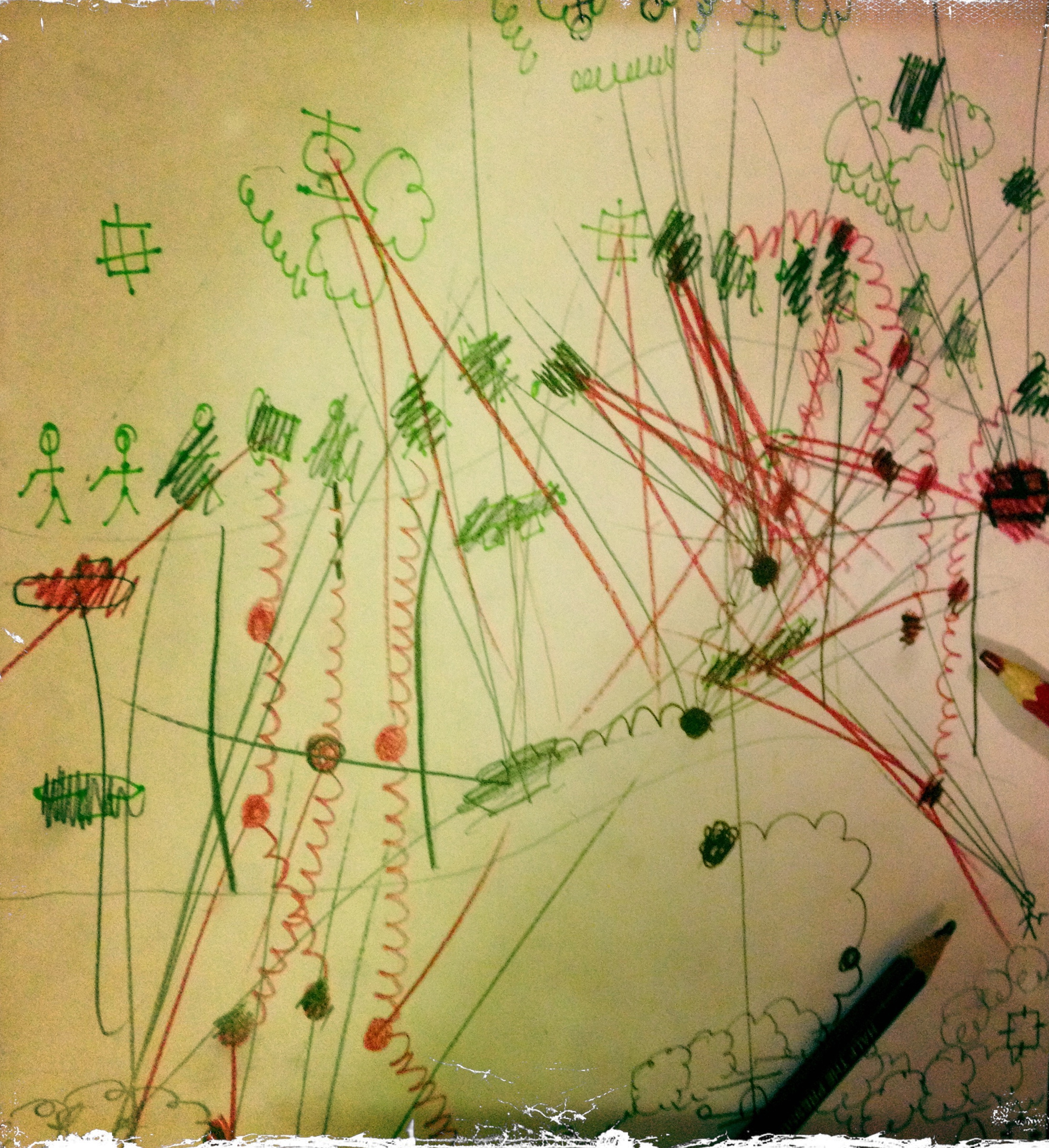
Think of the dog-reactive dog that flies into a rage every time it sees another dog. To improve behaviour it must practice being calm in front of other dogs. It is best to work just below threshold with dogs like this. We don’t want it to tip over into non-thinking dog. Brain-switched-off dog. One that is just shouting – go away, go away. But it must see other dogs to learn the new way. Neurons need to make new connections, instead of flying down the well-worn path of reactivity. I think of the laminex table and its marbled pattern – why now it resembles dendrites. A filigree of filamentous nerve endings reaching out for connections. A finger can trace the path to get from one point to the other, but the route can change. So too the destination. Left isolated, apart from other dogs, our Cujo will never improve its dog reactivity. Leaving maths alone won’t make your arithmetic better. Buying a piano and leaving it idle will not turn you into a pianist.

She described the feeling of living with a learning disorder as walking through life with a heavy pack of rocks on your back. But when people changed their brains they were released of their heavy loads. Previously difficult tasks became easy and free of stress. A stressed brain cannot relearn. At any age change was possible. For all species.

Like a dance. The neurons that fire together, wire together, and the more they fire together the stronger the connections between those neurons become. I guess this is the basis of learning. We can all do it. Change our brains to become peaceful, calm and plastic.

Dealing with Disappointment

port

I decide to ring the Department of Education because it is mid way through August and we are supposed to hear about Jasper’s application in August. I don’t really expect to be given a result on the phone, and so when the person says, “I can check, what’s his name?” I am unprepared. I feel my heart wobble. It comes free from its attachments inside my chest. Name given – a pause – “It appears he won’t be being offered a place in the first round,” comes the reply.

I close my eyes. My head screams, NO. My heart slides downwards towards my stomach. The disappointment is visceral really. I have my own disappointment, but more than that, I have a son to tell. He has already become very attached to the idea of studying visual arts at the school. He will take it hard.

Graham is away, and so it falls to me to deliver the news. I could wait till Graham got home, in a week, but that seems deceitful – to know for all that time and not let on.

I wait till we are home, after school, in our kitchen. He has a very crunchy ANZAC biscuit in his hand and his back to me when I begin. “I rang the department today to ask about the visual arts andĀ I am sorry to say they said you didn’t get in.” When I start the sentence he turns to look at me, a slight smile, and I can see from his expression he thinks the sentence is a good news one, but as I get through to its second half, it dawns on him that this is not a good news sentence at all and his face changes. It crumples into tears. I go to comfort him. To hug. He pulls away and rushes from the room.

I don’t follow him immediately. I wait in the lounge, by myself, wondering how long do I wait for. What words of comfort can I offer? I know you’re disappointed, I rehearse in my head. Ā He is not in his room. He is not in the study. He is not in my room – that I can see. He is in my wardrobe – behind the clothes – crouched in a huddle – beneath dresses and jackets and the confetti of shoes. I can see his sneakers and in his hand the ANZAC, untouched. It is a safe hiding place. Go away.

I close the wardrobe door and leave him in the dark. I’m so sorry…

I leave him.

To myself – Maybe don’t eat the ANZAC in there..

I leave him some more.

Still hiding.

He comes out.

He is outside in the courtyard, bouncing a ball, and I am in the kitchen making a cup of tea. I view him through the window, across the sink. Skinny, lanky, always moving. I see a big tear fall from his face without hitting his cheek, like a rain drop falling to the ground. I am crying too and he sees me. He comes inside. Let’s take the dog out. We walk the dog. My solution to all woes. The road by the port is closed and we must walk by the railway. Broken glass. The slap of skateboards. Still beautiful. It is a day like any other to the dog. There is winter grass to pee on. There are urine soaked telegraph poles to sniff at. There are homeless begging in the mall. Jasper asks what has happened to his career? He is eleven. “We’ll just have to show them what a great artist they missed out on teaching,” I say. We eat churros dipped in melted chocolate.

drawing


On Attenborough…

Attenborough

He is eighty-seven years old.

Just beneath his skin, by his collar-bone, sits a pace maker Ā – good for another twenty-five years.

He would, if he could.

Pale blue chambray shirt, camel trousers. His uniform. His left leg is especially bowed, like that of an old cowboy. I suspect arthritis chews away at his hips. Exiting off the raised central stage at intermission he wobbles and almost falls. From the audience a collective intaking of breath. Ray takes his elbow, he steadies. Please don’t fall you precious man.

He tells us stories from the start of television. He was there in the very beginning. He was in the small studio when television was live and a nature program meant standing an armadillo, brought in a box from the London zoo, on a doormat placed upon a table and filming it, or else having the local rat-catcher tell a story to camera. From these very basics to seeing flight as if we were birds ourselves, as if we were insects caught on a spider’s web or killer whales hoisting a seal pup through the air. He has been witness to so much that is beautiful and frightening and awe-inspiring in nature. He loves it all. Almost too much for one man. How incredibly fortunate. And he knows it too. He does not take it for granted.

We listen to his stories like children camped at the feet of their exploring grandfather. We, the armchair travellers, who have watched him through the small screen since our own childhoods when we first watched Life on Earth. Then, it inspired my sister to follow a career in nature. His voice so familiar that to think of blue whales and elephant seals is to play the soundtrack of his commentary in our mind.

When asked about the planet he is not optimistic for its future. He worries about global warming. But he is not a political heavy weight. He does not stir up protest and dissent. He asks that people do what they can to reduce carbon pollution. He eats meat – his dentition, his stomach structure, his evolution – they all suggest to him that it is okay to do so.

The drive home is quick. Passing Kings Park bushland on our left – an infinity of blackness. I tell Jasper the thought of the parkland at night scares me – so black. Of course, he answers, like it is the only sensible emotion to feel. It is late and the roads are empty. It has been raining and the bitumen is slick ink. Street lights making shiny pools of silver.

We are the only car on the road in either direction. We have a string of green lights. Green pools on black road.

We are on the highway above the railway and the ocean is to our right. The tracks are empty. Standing on the road ahead is a fox. I can tell from the shape of its bushy tail, held horizontally to the road, as long and wide as the fox itself. It turns its head towards us and we see its orange eyes and its sharply pointed ears. I know there are foxes in the cities, even the very biggest and busiest, but still. In my head I thank David Attenborough. As if he has brought this creature out of the dark and shown it to us tonight as we race home.

I slow the car and the fox darts across the road ahead of us and is gone. Into the gardens of the big houses. Looking for chickens.


Good Bug Bad Bug

snails

In the SAKGP today at East Fremantle Primary school I spend time in the garden.

Things happen at a slower pace in the garden. After all things don’t grow in front of your eyes. It takes patience to grow stuff. Soil needs to be nurtured and enriched. Weeds need to be pulled. Time needs to pass. Nor do they die and disappear in a puff. Although that’s what it seems like for the beetroots that have struggled against the onslaught of the bad bugs – snails and caterpillars and slugs. Their leaves have been stripped bare. Now just stalks remain.

Today war has been waged against the pests. The army of blue uniforms are out searching the leaves and the hidy holes of the grubs and collecting them in the bucket. Garden Specialist, Katy, has the disposal job, since the kids are not keen on destroying the molluscs. They come over all Buddhist when talk turns to the final elimination. Especially after naming them Curly and Whirly,Ā Creepy and Sebastian.

Still. It’s kinda nice to see kids that don’t take pleasure from stomping on a snail. Doesn’t it say something?

Too much personification – the adults warn. Then comes discussion of whether snails go to heaven. How philosophical a morning in the garden has become. But it is too late. They have been slimed by them and had them wriggling across their palms. The snail trail zig zags its way across a blue wind cheater. The kids are really inspecting the snails – the way they move like mini tractors across the dirt. It makes me recall the book about the movement and munching of a snail written by a bed ridden Elizabeth Tova Bailey over a year where she lay listening to the sound of one eating. In her close observation of the creature she grew attached and, through her attachment, came meaning and solace and understanding. Some are mere babies, the children say, and I imagine a snail secreted home in a pocket, named and stroked, to a bedside table, to become a new pet.

But gardening requires the tendering of the plants and that means the beasts must be got rid of, so collect them, they diligently do. On the way to the bucket of death the kids marvel at the way the molluscs have eyes on stalks that swivel about. How cool would that be? Seeing round corners, under desks. The kids have their empathy and imaginations dialled up high today, suddenly brothers to the creepy crawlies. Many kids may never have taken the time to get so close to a snail. What kid these days spends time in dirt and poking about the garden? Some may not have had the courage before to feel the suck of a snail to the back of your hand. But when everyone else is doing it, it becomes okay, to feel, to prod, to explore. And besides, this is school work – we are supposed to be getting our hands dirty.

There are not enough good bugs in our garden. The lady bird is revered. She is carefully pointed out and then left alone, despite the desire to pick her up and feel her little bug legs march across your skin.

The worm castings are diluted in watering cans and each plant gets its three-second drink of the extra good stuff. The time in the garden has gone quickly, despite the relaxed pace. Less frenetic than the kitchen, its results are slower and take more time to notice. Snail pace. But we have hunted and gathered today from our very own garden and delivered up the reddening capsicum and now it joins the salad of spinach leaves and very soon will be belly-side. Before any pesky snails get to it.

caterpillars


Letting the day slip away…

study

There is guilt of course.

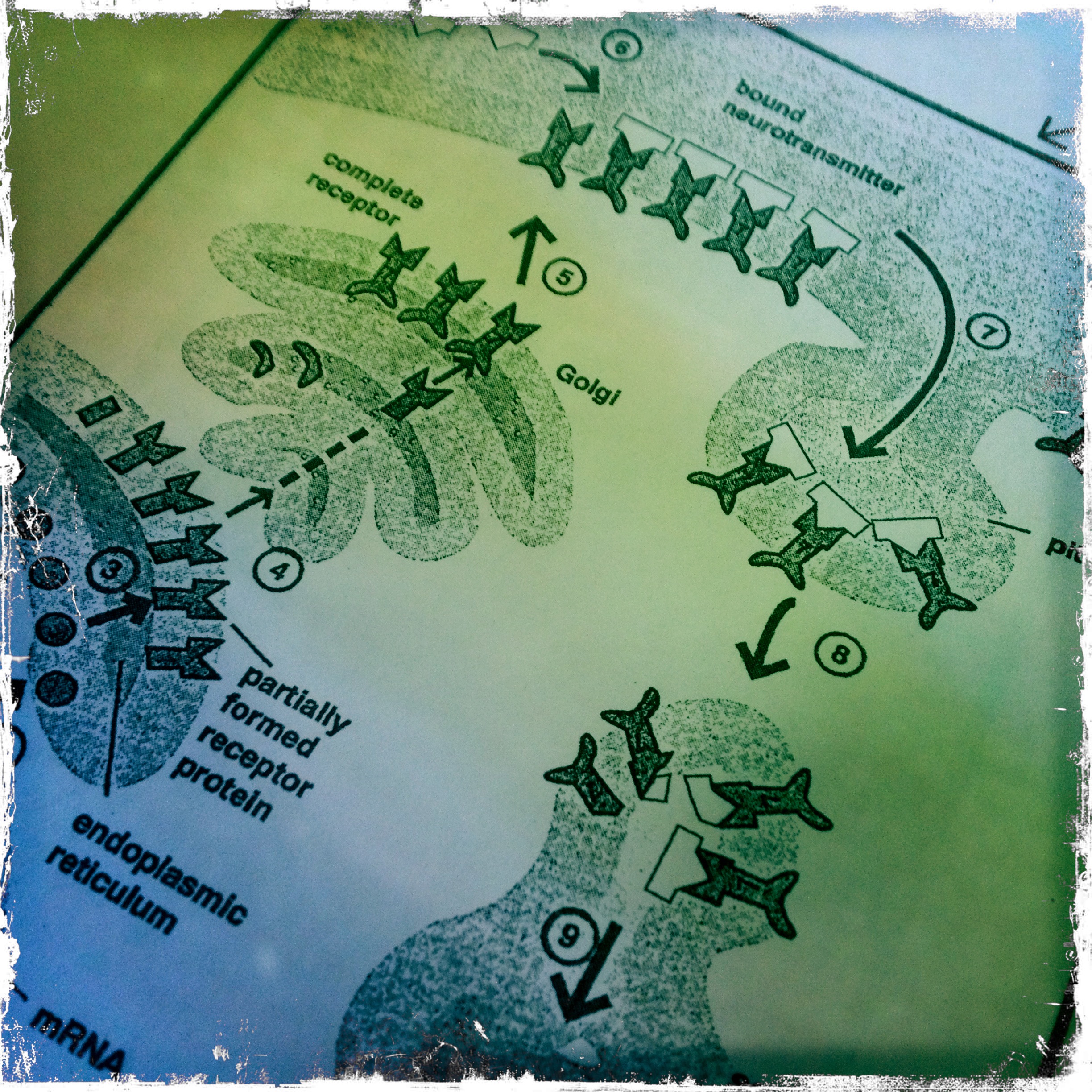
There is a lime green file. It is full of pages of neurology and psychopharmacology. It is mind bogglingly hard to fathom. When it starts to grind down to the DNA in the cell and the enzyme RNA polymerase I feel something slipping in my brain. I read and reread the same sentence. Neuronal stutter. Like the old Holden EH clutch that my mother’s foot fumbled with at the hill by the prison going to visit my Dad in hospital as a child. How she dreaded the hill. Even as children, in the back seat, we felt my mother’s dread of the hill. Sitting on our hands on the sticky blue vinyl. Her anxiety a wave of heat. Please turn green lights so she doesn’t need to ride the clutch and do a hand brake start and risk rolling backwards into the car behind, or else konking out.

The green file notes try to make analogies that are easier for the brain to grasp. For instance, it cutely describes neurotransmission as a “pony express.” But somehow I can’t quite make the jump from molecules to horse riders and it just makes the whole thing harder still. I am learning that the brain is not a collection of “wires” (I am not sure I ever thought it was) but rather is a chemical “soup”. The neurotransmitters are swilling around, turning on and off the genes in cells so that axons grow and stop growing. Make connections. Stop making connections. I don’t think it’s quite that simple, but that’s how I am imagining it. This is today’s take home message. Brain = chemical soup.

I learn that 90% of the neurons made by the foetal brain commit apoptotic suicide before birth. The discoverers of the process who named it apoptosis wanted the word to rhyme with the messy process of cell death called necrosis and used the Greek ptosis meaning “falling” andĀ apo meaning “off”, just as autumnal leaves fall from a tree. Even in science humans search for words to be beautiful. Cell death = falling petals. In apoptosis the neurons just shut themselves off and disappear. No pus. It seems only the strongest and fittest neurons survive and thrive in our adult brains. In the adult brain there are still changes being made all the time but they are not as dramatic as those of the foetus or child. An adult brain is like a well-established garden where the neurons, like roses, need pruning and shaping, but, please, no major landscaping.

Even in science, or maybe especially so, we need to keep bringing it back to something more understandable. Something more concrete. Gardens and cooking. Houses and sheds. Nerves as having branches, brains as full of soup. For who can imagine the inside of a cell with its mitochondria and endoplasmic reticulum. We need the mitochondria to be the energy power house, the nucleus the central headquarters. But despite its helpfulness there is still chemistry and molecules and who can really understand that everything living is made of atoms of carbon?

And maybe some where along the way I lost that neuron (or two) that was responsible for that little bit of understanding and that’s why it’s so hard. Perhaps when all the neurons were in a lemming-like mass walking off their apoptotic cliff there were a couple who really should not have leapt. They were the ones supposed to “get” the DNA and RNA and the enzymes and peptides. And as science is able to dig deeper and examine more and more finely we discover more and more detail. You think you have come to the end of something and then they explode it apart and describe it again at a more intricate level. Ad infinitum. When once seeing inside the cell seemed miraculous, now we can see inside the structures inside the cell. Just as space goes on for ever, can we continue to magnify and see deeper and deeper into molecular structure? We can explode apart genes so they become lists of proteins. We can see what receptors are made of. Like an artist who constructs a world on the top of a pin. Each cell is a world.

Doesn’t it blow your mind?

war games